Top 10 Pest Problems Found in American Homes
The most common, costly, and dangerous pests threatening US homeowners in 2026 — and how to stop them.
The most common, costly, and dangerous pests threatening US homeowners in 2026 — and how to stop them.
According to the National Pest Management Association (NPMA), 84% of American homeowners have dealt with a pest problem in the past year. Pests cause billions of dollars in property damage, trigger health crises, and create enormous stress for families. Understanding the most common threats is the first step to protecting your home.
Termites are the undisputed champions of property destruction in America. The EPA estimates termites cause more than $5 billion in property damage annually — more than fires and floods combined for most homeowners. Subterranean termites, the most common species in the US, build colonies underground and travel through mud tubes to attack wooden structures from below.
Warning signs: Mud tubes on foundation walls, discarded wings near windows (after swarm season), hollow-sounding wood, and frass (small pellet-like droppings).
Action: Annual termite inspections are essential in high-risk states (southeastern US, California, Texas). See our Termite Control guide and Signs of Termite Damage.
Mice and rats are a year-round problem in every US state, with infestations surging in fall as temperatures drop and rodents seek warmth inside homes. Beyond the "yuck" factor, rodents chew through electrical wiring — a leading cause of house fires — contaminate food with droppings, and spread serious diseases.
The CDC identifies hantavirus pulmonary syndrome (spread by deer mice droppings), salmonellosis, and leptospirosis as rodent-borne health risks. Do not handle droppings without protective gear.
Action: Professional rodent control combines trapping, baiting, and exclusion to permanently seal entry points. Also see our Winter Rodent Control guide.
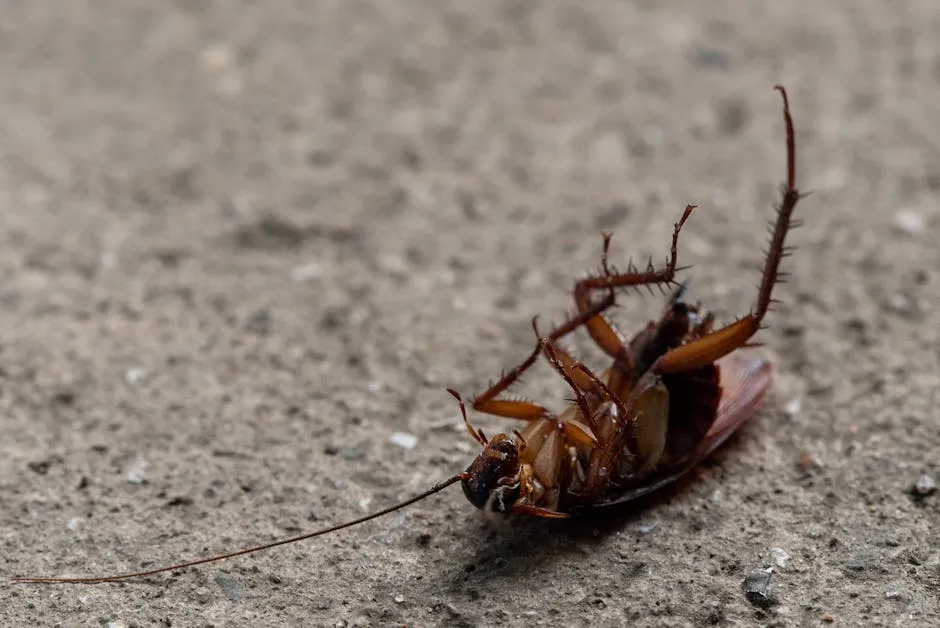
Cockroaches are among the most adaptable and resilient creatures on Earth — which makes them particularly difficult to eliminate. The German cockroach is the most problematic indoor species, infesting kitchens, bathrooms, and any area with food and moisture. American cockroaches ("palmetto bugs") are common in southern states.
The CDC documents that cockroach allergens are a significant trigger for asthma attacks in children. Studies show that children in cockroach-infested homes have higher rates of asthma hospitalizations. Cockroaches also spread bacteria including Salmonella and E. coli.
Action: Professional cockroach treatment using gel baits, insect growth regulators, and crack/crevice applications is far more effective than consumer sprays, which often scatter cockroaches and worsen infestations.
Call now — a licensed technician can be at your door today.
Ants are the #1 nuisance pest complaint across America. More than 700 species of ants live in the United States, but a handful cause the majority of homeowner headaches: carpenter ants (structural damage), fire ants (painful stings, outdoor colonies), Argentine ants (massive supercolonies), odorous house ants (kitchen invasions), and pavement ants.
Carpenter ants deserve special attention — they excavate galleries in wood to build nests, causing structural damage that can rival termites in severity if left untreated. Unlike termites, carpenter ants do not eat wood; they hollow it out.
Action: For persistent ant problems, see our Ant Control guide and How to Get Rid of Ants Naturally.
Bed bugs re-emerged as a major pest problem in the late 1990s after decades of near-eradication and have spread to all 50 states. They are expert hitchhikers, traveling on luggage, clothing, and used furniture. Bed bugs do not transmit diseases but cause significant psychological distress, skin reactions, and secondary infections from scratching.
Key facts: Bed bugs can survive up to 12 months without feeding. A single fertilized female can produce hundreds of offspring. They are nearly impossible to eliminate without professional heat treatment or chemical programs.
Action: See our Bed Bug Treatment guide and Bed Bug Prevention tips. If you've recently traveled or bought used furniture and are waking up with bites, call (844) 578-2437 immediately.
Mosquitoes are the deadliest animals on Earth globally, responsible for more human deaths than any other creature. In the United States, they transmit West Nile virus (reported in all lower 48 states), eastern equine encephalitis, and in southern states, dengue and Zika virus. The Aedes albopictus (Asian tiger mosquito) has expanded its range northward significantly in recent years.
Beyond disease risk, mosquitoes make outdoor living miserable for American families during summer months.
Action: Professional mosquito barrier spray programs treat your yard every 3–4 weeks during mosquito season, reducing populations by 70–90%. Eliminate standing water sources on your property as a first step.
Most spiders are harmless and actually beneficial (they prey on other insects), but two species in the United States pose genuine medical risks: the black widow (found in all lower 48 states) and the brown recluse (found primarily in the Midwest and South). Black widow bites can cause severe pain and muscle cramps. Brown recluse bites can cause necrotic skin lesions.
Action: Reduce clutter in garages, basements, and attics where spiders shelter. Seal exterior cracks. For active infestations, see our Spider Control guide.
Wildlife intrusions are an increasingly common problem as development encroaches on natural habitats. Raccoons, squirrels, opossums, skunks, and bats regularly enter attics, crawl spaces, and walls. They cause structural damage, spread parasites, leave disease-carrying droppings, and can be dangerous when cornered.
Action: Wildlife removal requires specialized skills and, in many states, specific licensing. See our Wildlife Removal guide. Never attempt to remove bats yourself — they may carry rabies.
Fleas and ticks are brought into homes primarily by pets and wildlife. Fleas cause intense itching and can spread cat scratch disease and, historically, plague (still present in the western US in small rodent populations). Ticks are among the most medically significant pests in America — the CDC tracks over a dozen tick-borne diseases, with Lyme disease being the most prevalent (400,000+ cases per year estimated).
Action: Year-round flea and tick prevention for pets is essential. For home infestations, see our Flea and Tick Control guide.
Yellow jackets, paper wasps, bald-faced hornets, and mud daubers are common stinging insects that nest in and around homes. Stings are painful for most people and potentially life-threatening for the estimated 1–2 million Americans with venom allergies. Yellow jackets are particularly aggressive when nests are disturbed in late summer.
Action: Never approach an active wasp nest. Professional wasp nest removal ensures safe elimination. Seal eaves and overhangs in spring to prevent nest-building.
The most effective pest control strategy is prevention. Here are universal steps every homeowner should take:
For a season-by-season prevention plan, see our Seasonal Pest Control Checklist.
"Called at 7am, technician arrived by noon. Completely solved our rodent problem. Highly recommend Get Pest Help!"
— Sandra K., Chicago, IL"Professional, thorough, and affordable. The termite treatment came with a one-year guarantee. Peace of mind is priceless."
— Marcus T., Atlanta, GA"We had a serious bed bug issue after vacation. The heat treatment they arranged worked perfectly — not a bug in sight since."
— Priya M., New York, NYTermites — they cause more than $5 billion in property damage annually, often silently for years before becoming visible.
Mosquitoes, ticks, and rodents pose the greatest health risks — transmitting West Nile, Lyme disease, hantavirus, and more.
Look for mud tubes on foundation walls, discarded wings near windows, hollow-sounding wood, and frass (pellet-like droppings). Annual professional inspections are the most reliable detection method. See our termite signs guide.
No. Bed bugs are hitchhikers that travel on luggage and furniture — they infest luxury hotels as often as budget ones. Cleanliness does not prevent them.
Act immediately — rodent populations grow fast. Call a licensed pest control professional to inspect, set bait stations, and seal entry points. Do not handle droppings without protective gear due to hantavirus risk.
Blog Top 10 Pests costs vary based on infestation severity and property size. We provide free estimates before starting.
Frequency depends on your situation. We recommend annual Blog Top 10 Pests for prevention, more often for active infestations.
We'll provide simple preparation instructions when you schedule your Blog Top 10 Pests appointment.
Our Blog Top 10 Pests process begins with a thorough inspection, followed by targeted treatment using industry-leading methods.
Most Blog Top 10 Pests treatments complete within 1-3 hours depending on the scope of the infestation.
Our licensed technicians are standing by. Same-day service available in most areas.
Disclaimer: Getpesthelp.com is a free service to assist homeowners in connecting with local service providers. All contractors/providers are independent and Getpesthelp.com does not warrant or guarantee any work performed. It is the responsibility of the homeowner to verify that the hired contractor furnishes the necessary license and insurance required for the work being performed. All persons depicted in a photo or video are actors or models and not contractors listed on Getpesthelp.com.